


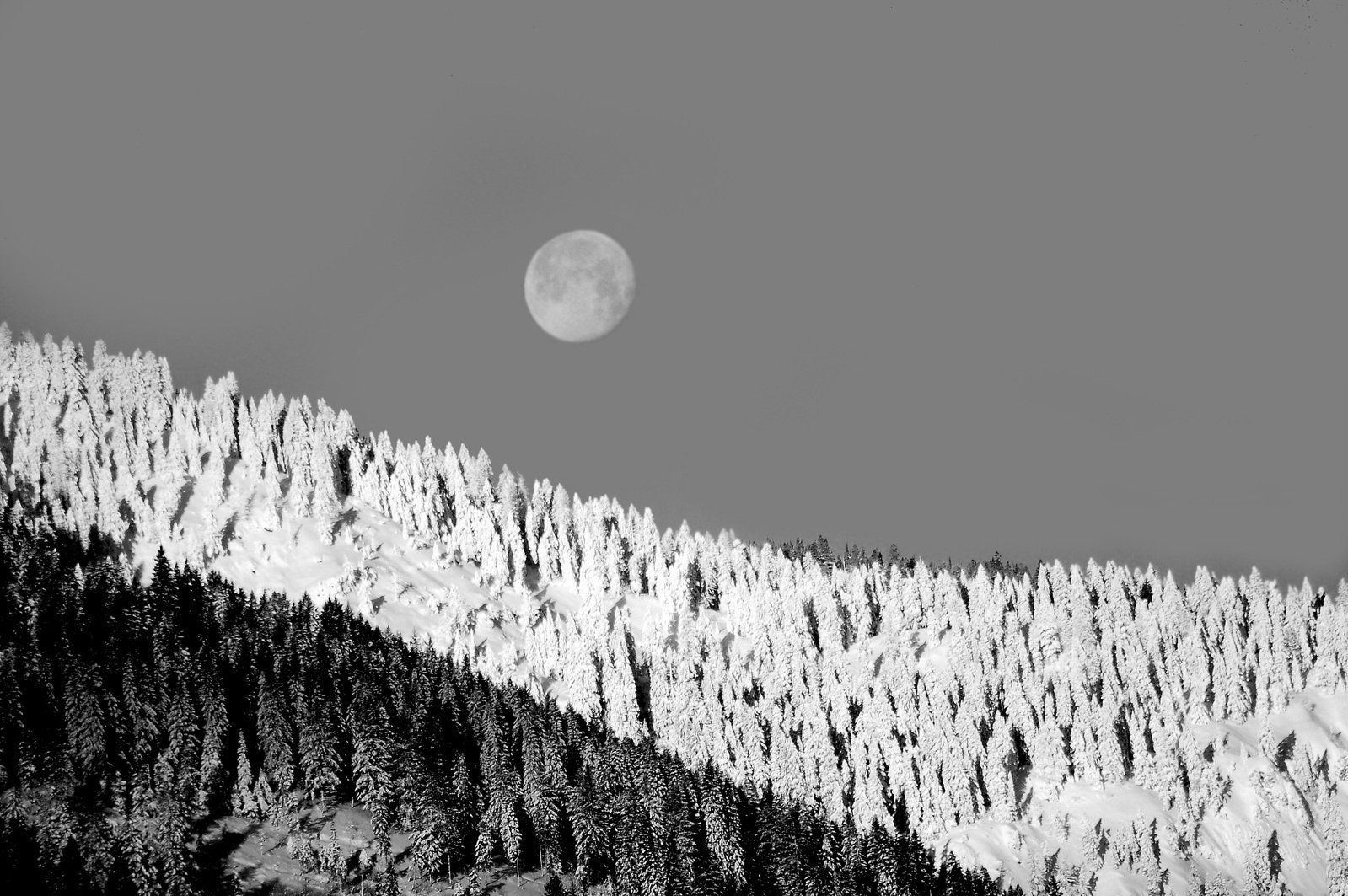
Today is the winter solstice.
The darkest day of the year.
For most of human history, this day mattered. People noticed when the light stopped retreating. They marked it with fires, rituals, songs, stories—not because everything suddenly became better, but because something subtle shifted. The days would grow longer again. Slowly. Almost imperceptibly. But reliably.
We’ve lost some of that attentiveness. We rush past this day with shopping lists and productivity goals and year-end checklists, forgetting that our bodies still understand darkness and light, contraction and expansion.
And yet—here we are. At the hinge.
I’ve been thinking a lot about anxiety lately. About how it isn’t always caused by what is, but by what we imagine might be. Humans are strange that way. We can build futures entirely out of language—sentences, images, stories—and then live inside them as if they’re real.
Sometimes those imagined futures become so painful that they feel unbearable. Not because they exist, but because we keep rehearsing them.
The mind is powerful like that.
But here’s the other side of the coin: the same capacity that allows us to suffer through imagined futures also allows us to create different ones.
This is where creativity enters—not as art or productivity, but as a nervous system state. When we are creating, imagining, sensing, describing—we are not catastrophizing. We are not bracing. We are inhabiting possibility.
And possibility doesn’t have to stretch ten years into the future.
In fact, for many of us, ten years is too far. Too abstract. Too loaded with “what ifs.”
But six months?
Six months is different.
Six months is the distance from the winter solstice to the summer solstice—from the longest night to the longest day. From contraction to expansion. From inward to outward.
You don’t need a detailed life plan to cross that distance.
You need a direction.
A one-degree shift.
Instead of asking, What will my life look like in ten years?
Try asking something gentler, more grounded:
How do I want my days to feel by June?
What do I want to be moving toward, not fixing?
What kind of light am I slowly walking into?
And then—this is the important part—write it down.
Not as goals. Not as bullet points. But as a description.
Where are you, six months from now?
What time of day is it?
What can you hear?
What does the air feel like on your skin?
What are you doing that you’re not doing now?
What are you no longer carrying?
This isn’t magical thinking. It’s neurological.
When you put language around a future that feels safe, alive, and meaningful—even if it’s incomplete—you give your nervous system a different structure to live inside. One that doesn’t rely on fear to motivate change.
Words can torture us.
But they can also guide us home.
As we close out this year, I’m not interested in resolutions that demand reinvention or perfection. I’m interested in orientation. In choosing a direction while standing in the dark, trusting that the light will return because it always has.
The solstice reminds us that growth doesn’t begin with brightness. It begins with noticing. With pausing. With lighting a small fire and saying, This is where I am. This is where I’m headed.
Six months from now, the days will be long again.
What would it look like to start walking toward that light—one sentence at a time?